

What 3daysofdesign Taught Us About Brand Experience
3daysofdesign in Copenhagen to explore how furniture, lighting, materials, sound, scent, and interaction can shape complete brand experiences.
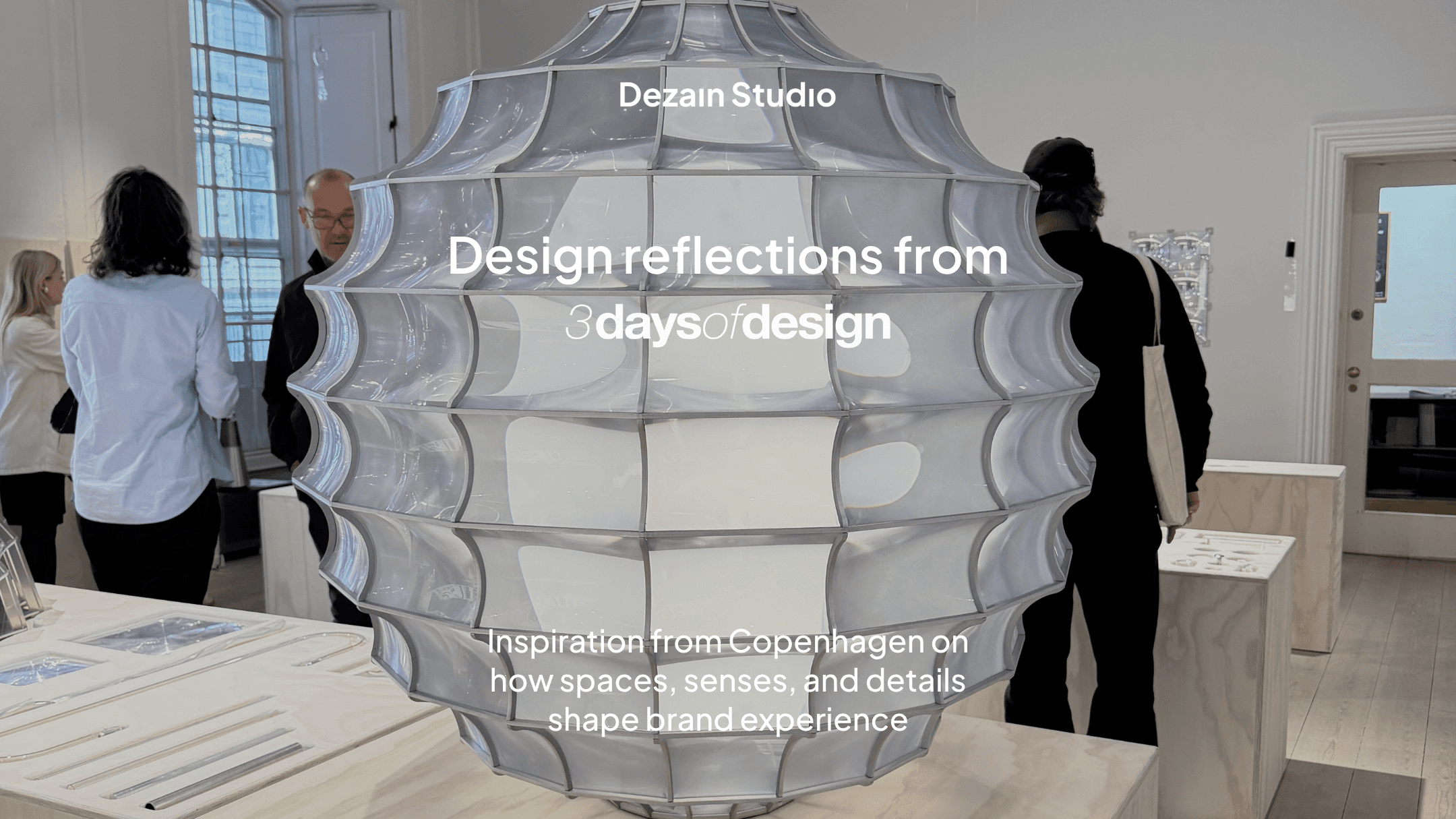
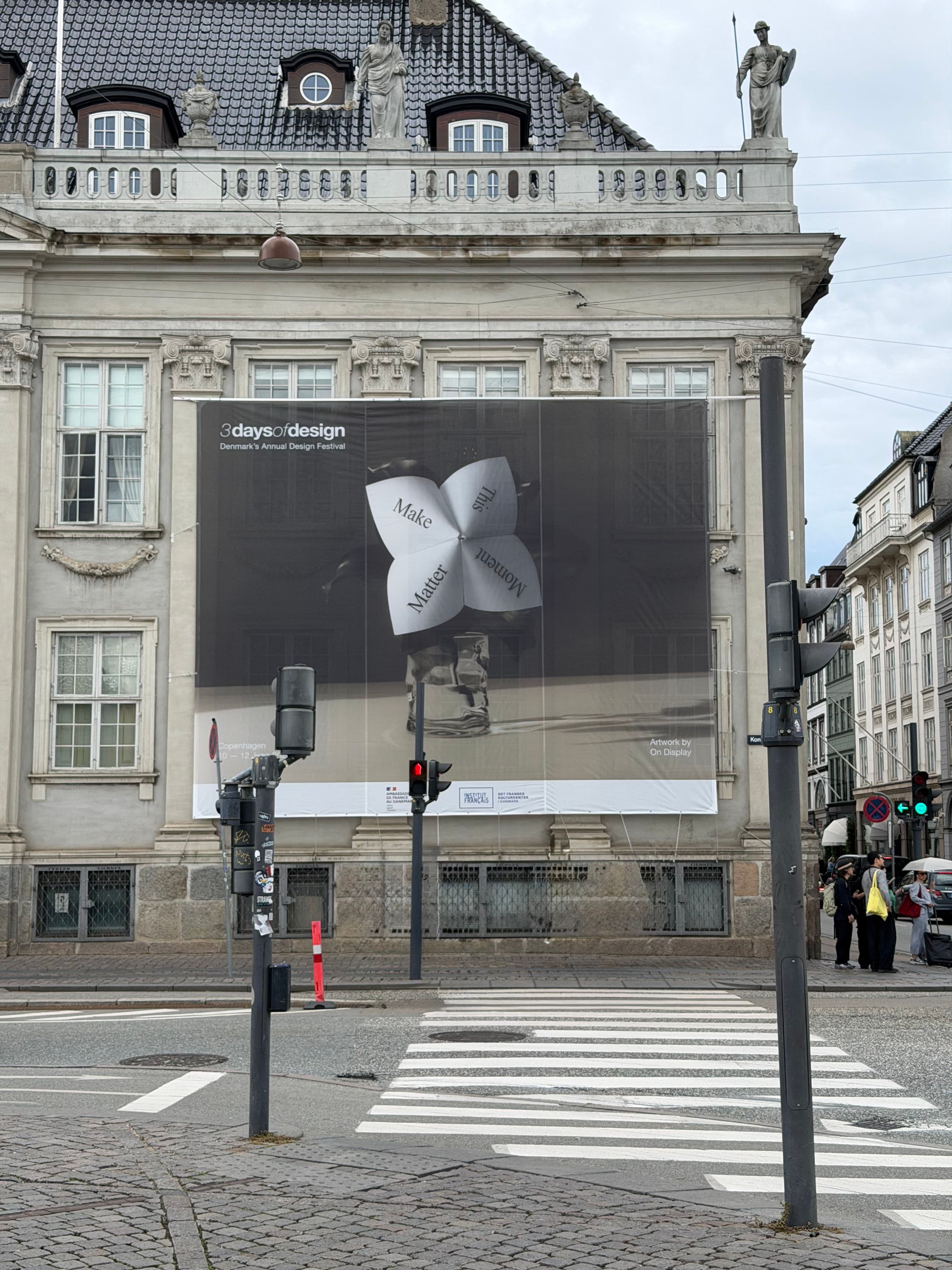
From 10–12 June, the Dezain Studio team travelled to Copenhagen to visit 3daysofdesign – one of the most significant design events in Northern Europe. Formally, it is a festival dedicated to furniture, lighting, textiles, materials, and interiors. But when looked at more closely, it is also a precise study in how brand experience is created today.
Not only visual identity. Not only product. Not only space. But everything together – how a person enters, what they feel, what they touch, where they sit, how they move through the space, and what they remember afterwards.
This was one of the strongest insights we brought back from Copenhagen: a brand becomes convincing when its idea can be felt across every touchpoint.
Design starts before the object
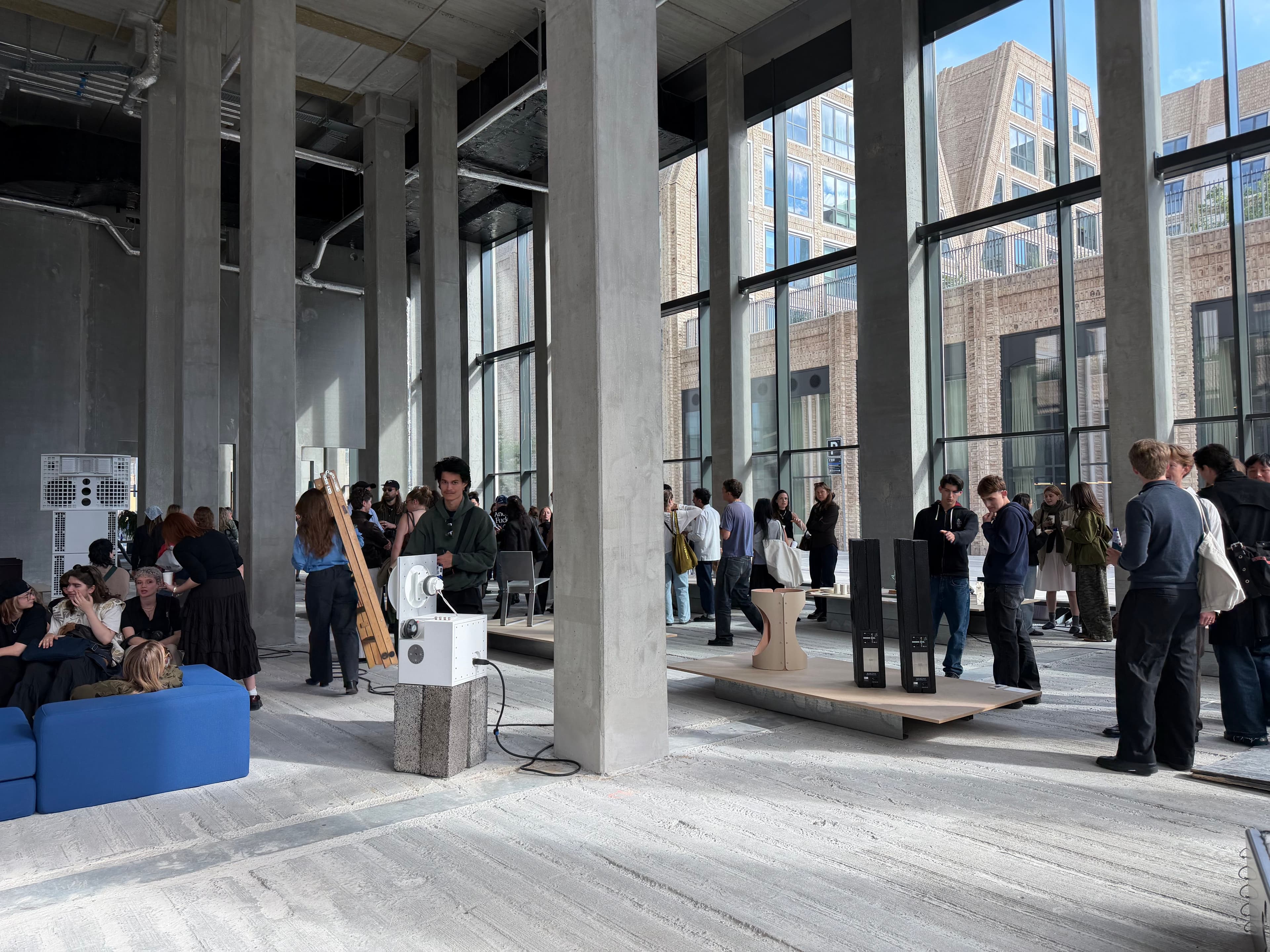
Many exhibitions were centred around specific objects – chairs, lamps, textiles, tables, glass, ceramics, or modular systems. But in the strongest exhibitions, the object was not the final point. It was one element within a larger situation.
A chair was not just a chair. It was an invitation to sit in a certain way. A lamp was not just a light source. It shaped the rhythm of the room. A textile was not just a surface. It added tactility, warmth, or distance. Flowers, sound, food, scent, light, and the movement of people were not decoration – they were part of the brand language.
This is the important difference between beautiful styling and a considered brand experience. Styling makes things look good. Experience makes them understandable, felt, and memorable.
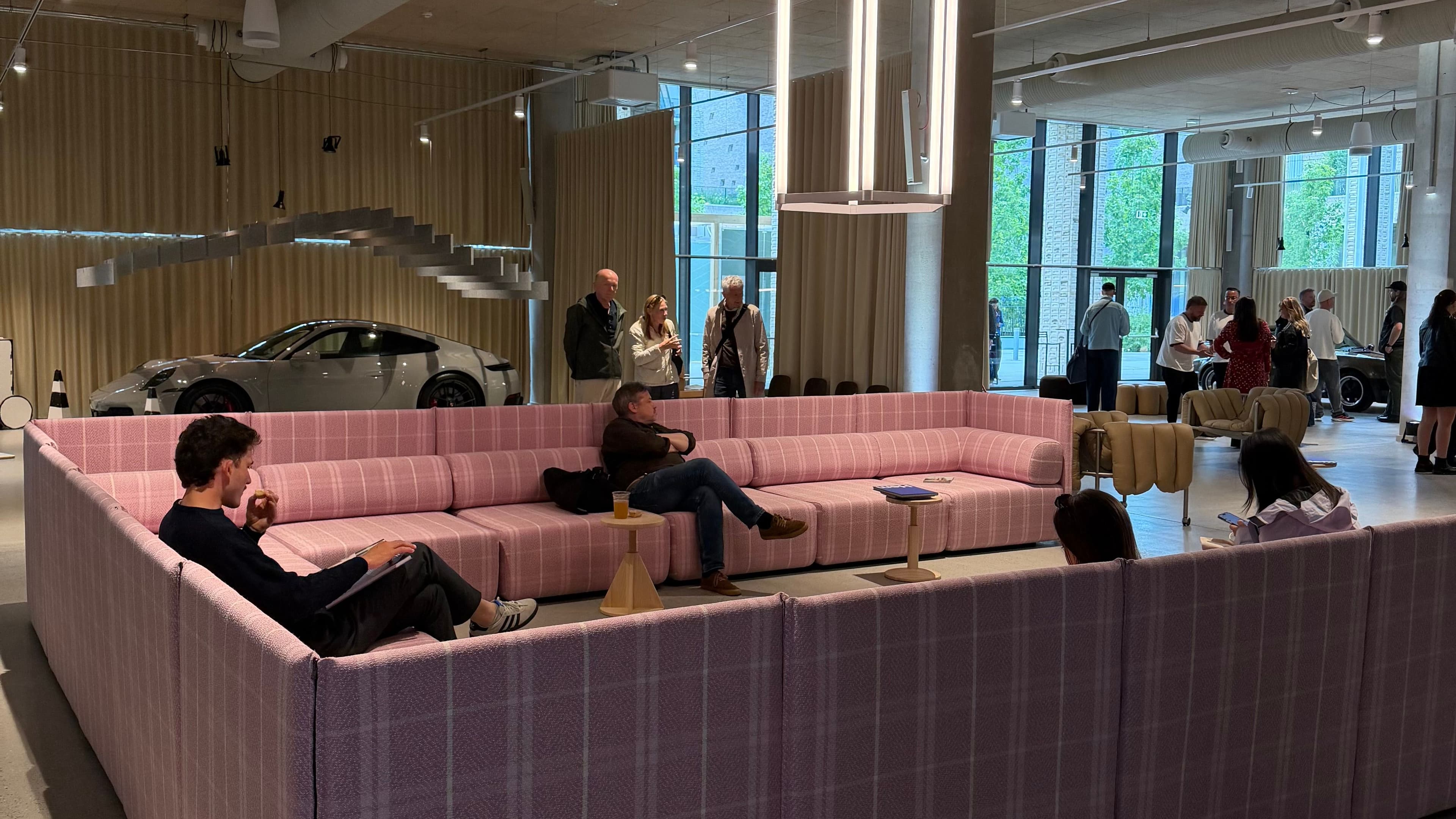
Space as a test of brand thinking
The festival brought together a wide range of participants – small family-run brands, independent design studios, emerging designers, niche labels, and international organisations with global reach. Budgets, spaces, and ambitions differed, but the strongest examples shared one quality: clear thinking.
You could feel which brands knew what they wanted to communicate. They were not creating rooms simply to display products. They were creating situations in which the product gained meaning.
This matters far beyond a design festival. A company’s website, presentation, office, packaging, sales process, or social media communication works in a similar way. Each of these touch points either strengthens the brand idea or dilutes it. When they speak different languages, people feel uncertainty. When they work together, trust begins to form.
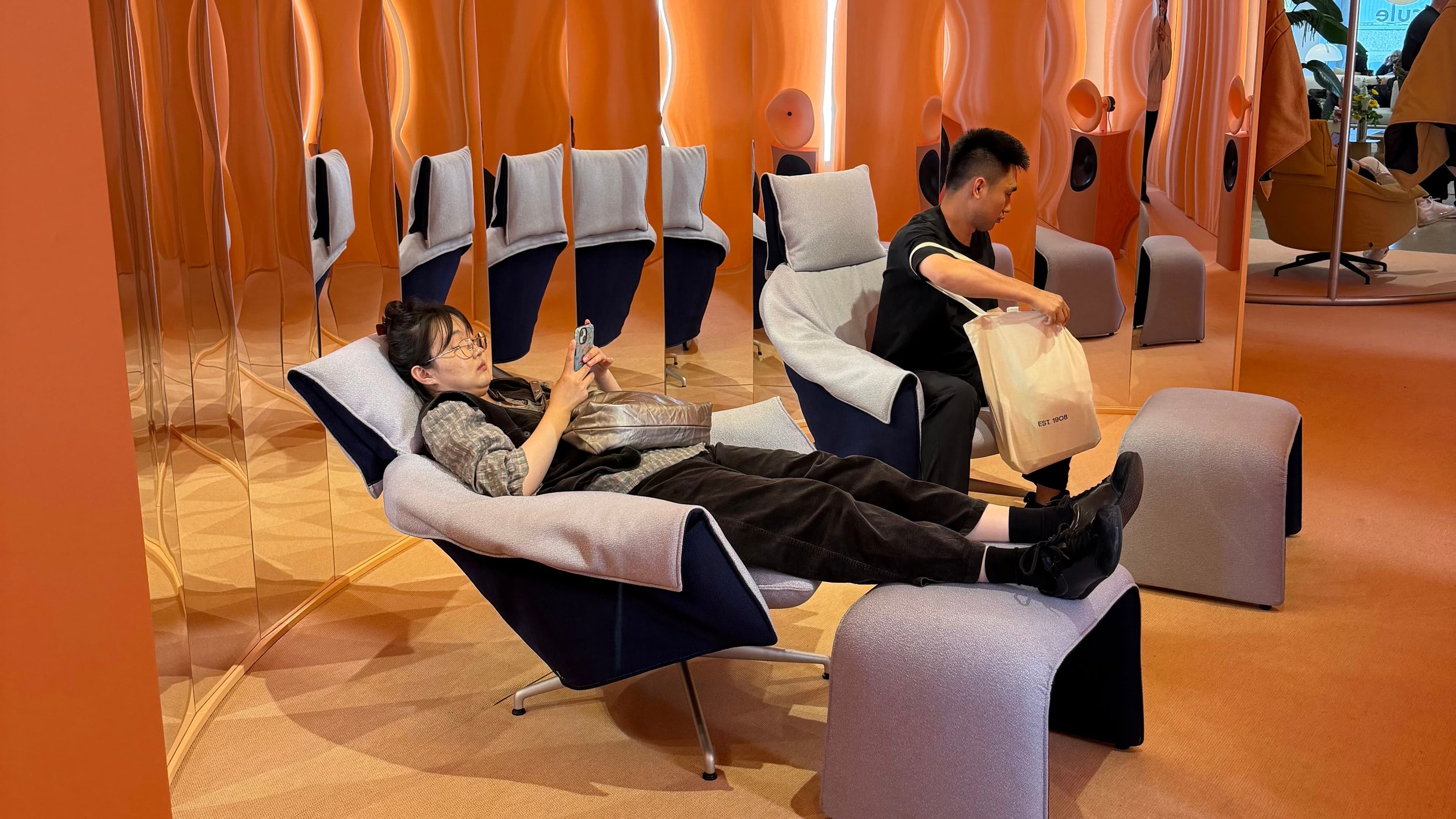
Experience is not just observation
One of the most valuable aspects of the festival was how often visitors were not left in the role of spectators. In many places, people could touch materials, sit in furniture, enter installations, move between objects, and experience proportions, textures, and use directly.
That changes the relationship between person and brand. The product is no longer an untouchable object on a pedestal. It becomes closer, clearer, and more human.
The same idea is highly relevant in digital environments. A strong brand is not explained only through an “about us” text. It is experienced through structure, rhythm, clarity, navigation, micro-interactions, content, and the feeling that a person understands where they are and what to do next. A digital experience, like a physical space, can feel cold, confusing, and formal. Or it can feel clear, confident, and inviting.
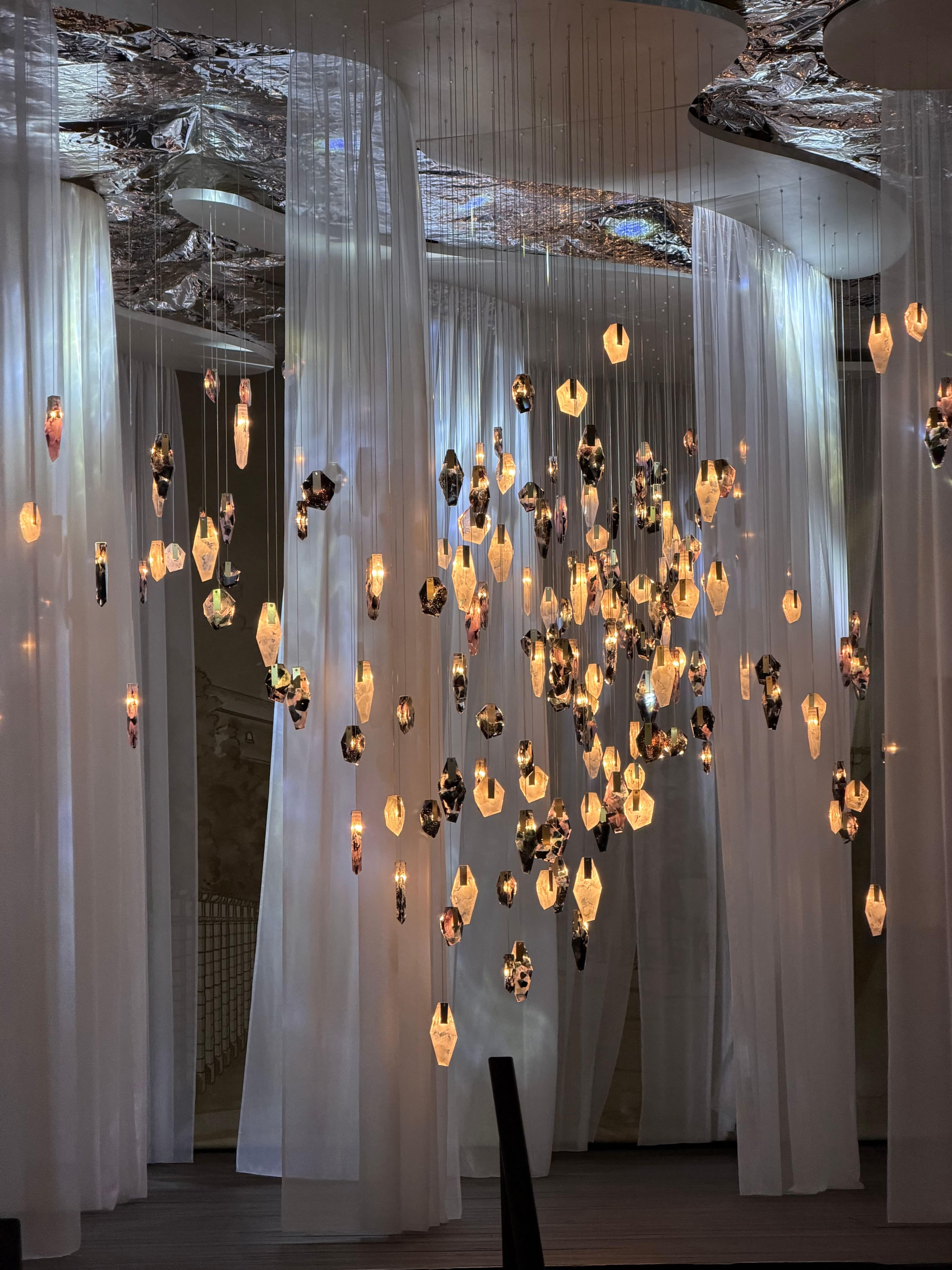
Atmosphere as strategy
From the outside, atmosphere can seem subjective – something people either like or do not like. But in a well-built brand experience, atmosphere is a strategic tool.
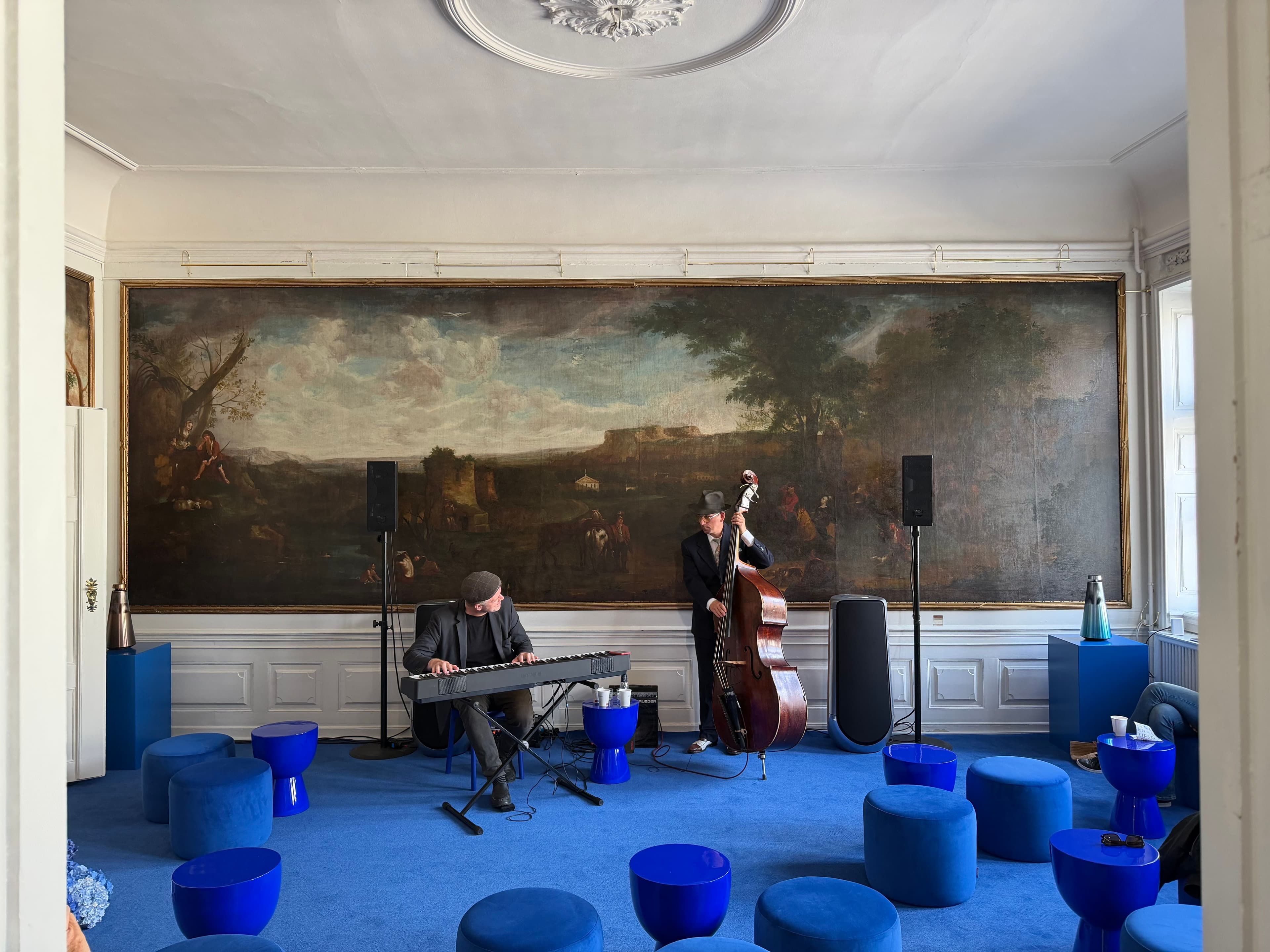
Light directs attention. Material signals quality. Sound influences pace. Scent creates memory. Food and hospitality open people up. Floristics bring life into a space. The distance between objects determines whether a brand feels accessible or distant.
These elements are not accidental. They help people read the brand’s attitude before they have read a description or spoken to a representative.
Today, people rarely experience a brand through a single channel. They encounter its visual identity, website, social media posts, product photography, emails, proposals, packaging, space, and customer service. If these elements are disconnected, the brand becomes fragmented. If they are designed as one system, the experience becomes something people can understand as a whole.
What businesses can learn from a design festival
3daysofdesign is not only a place to see beautiful furniture. It is a strong reminder of how perception works.
People do not remember only objects. They remember situations. They remember how a space made them feel. They remember whether a brand seemed bold, quiet, warm, technical, experimental, precise, or approachable. They remember not only what was shown, but how they were invited in.
For businesses, this raises a very practical question: is your brand experience built around a clear idea, or is it just a collection of separate elements?
If the website says one thing, the visual identity another, the sales materials a third, and the customer experience a fourth, the brand loses strength. Not because each element is necessarily weak on its own, but because together they do not form a coherent system.
Conclusion
For the Dezain Studio team, this trip was an opportunity to look at design beyond the limits of everyday project work. To see how brands of different scales work with space, materials, storytelling, and human attention. To meet people, observe details, compare approaches, and return with a clearer perspective on how strong brand experiences are built.
We work with brands, websites, digital systems, content, and communication. But at the centre of this work is always one question: how does a person experience the brand?
Not only how it looks. Not only what it says. But whether it is clear. Whether it is trustworthy. Whether it is consistent. Whether it stays in memory.
3daysofdesign showed once again that the best design does not only create beautiful things. It creates the context in which things gain meaning.
Team

Keitija Eizenbārde

Sharpen your clarity thinking with
real examplesSharpen your clarity thinking with
real examples
3 industry examples from design, UX, and psychology twice a month – see it, experience it, understand it.